
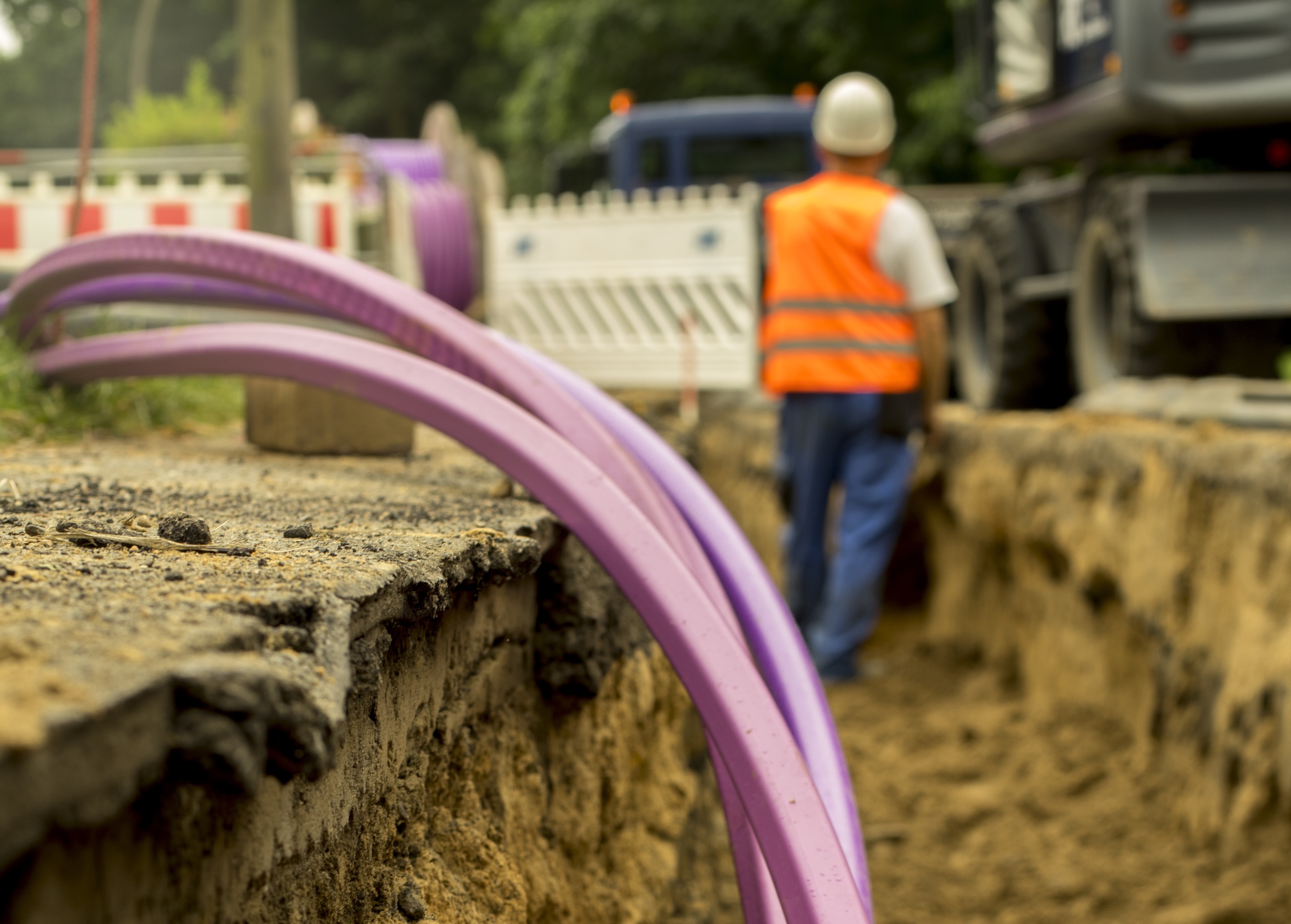
The Buildout: Race grows reach in California
June 14, 2026
Race Communications has initiated several new construction projects across the state of California as part of a directive to extend high-speed fibre connectivity to underserved communities. The operator is focusing its latest infrastructure developments on the Central Valley and Northern California regions, where existing broadband options have historically remained limited. These projects involve the installation of underground and aerial fibre-optic cables designed to provide symmetrical gigabit speeds to residential and commercial premises.
In Louisiana, SpaceX has formally signed a contract under the Broadband Equity, Access, and Deployment programme to provide satellite internet services to remote areas. This agreement represents a significant step for federal funding initiatives, as it marks one of the first major instances of Low Earth Orbit satellite technology being utilised to fulfil state-led connectivity mandates. The contract aims to reach locations where laying physical fibre remains geographically or financially prohibitive for traditional internet service providers.
Ripple Fiber has simultaneously broken ground on its first major infrastructure project within the state of Arizona. The provider is targeting several municipalities with a plan to deploy a future-proof fibre network that supports high-bandwidth applications for local households and small businesses. This expansion into the southwestern market is part of a broader strategy by the company to establish a footprint in rapidly growing suburban corridors where consumer demand for reliable data services is currently outpacing available capacity.
Consolidated Communications, operating under its residential brand Fidium Fiber, has also reported a significant expansion of its network reach across New Hampshire and Vermont. The operator has successfully completed several buildout phases, making its multi-gigabit services available to thousands of additional addresses in rural and semi-rural neighbourhoods. These efforts are supported by a combination of private investment and public grants aimed at bridging the digital divide in the northeastern United States.
The continued momentum in these regional buildouts reflects a broader trend of infrastructure intensification across the North American telecommunications sector. As state agencies begin to distribute larger portions of federal infrastructure funding, more operators are transitioning from the planning phase to active physical construction. This surge in activity is expected to result in a substantial increase in the national fibre footprint over the coming fiscal year.
Industry observers expect that the success of these diverse deployment models, ranging from satellite solutions to direct fibre-to-the-premises, will influence future regulatory decisions regarding broadband subsidies. The performance of these new networks will be monitored closely as more households are migrated from legacy copper systems to modern high-speed platforms. Further announcements regarding the next phase of these regional rollouts are anticipated in the final quarter of the year.